Mountaineers have a tradition older than most safety equipment: before a serious climb, you leave a letter. Not because you expect the mountain to win, but because writing it is part of packing properly. The rope, the map, the words. Then you climb better, because the one thing that was circling your mind all week is folded, sealed, and handled.
Most of us never rope up onto a ridge, but life hands everyone a risky season eventually: a surgery with a consent form that took two pages to describe, a deployment, a diagnosis being investigated, a stretch of long-haul flights, even just the year you became a parent and suddenly understood stakes. A just in case letter is the climber's tradition for the rest of us: a letter your family reads only if something happens to you, and never otherwise. Here is what to write, what to leave out, and how to solve the problem that stops most people: where does a letter like this safely live?
What a Just in Case Letter Is
A just in case letter is a conditional goodbye. It says what you would want said if the improbable happened: that you loved specific people in specific ways, that you were not afraid, that there is money in an account they should know about, that the dog gets two scoops, not one, no matter what the dog claims. It is written not because risk is high but because it is not zero, and because the writing itself quiets the mind.
It differs from a goodbye letter in one way only: you intend it never to be read. That intention changes the writing less than you would think, and the logistics completely.
Some people write several instead of one, each labelled for a different moment rather than sealed as a single envelope. That format has rules of its own, set out in open when I die letters.
Why Writing One Brings Calm, Not Fear
People avoid this letter out of superstition, as if writing it books the disaster. Ask anyone who has actually written one and you hear the opposite: the fear was coming from the unsaid thing, not the risk. The night before a big operation, your mind does not rehearse the surgery. It rehearses the conversations you never finished. Writing the letter finishes them, on your terms, while you are calm and articulate and nobody is wearing scrubs.
There is a practical calm too. Families in crisis lose days to not knowing things: passwords, policies, wishes. A letter that quietly holds the practical answers is one of the kindest documents a person can leave, precisely because it will probably never be needed.
Who to Write to First
If you only write one, write to the person who would be in charge of the worst week: your partner, your parent, your closest sibling. That letter carries both loads, the love and the logistics. If you have children, write them a separate, short, purely loving letter each; logistics do not belong in a child's letter. And if there is one person who would spend years wondering whether you knew what they meant to you: they get a letter. That wondering is preventable, and you are the only person who can prevent it.
What to Include: The Love, the Practical, the Unsaid
- The love, in specifics. Not "you meant everything to me" but the Tuesday market runs, the way they answer the phone. Specifics are the difference between a letter and a plaque.
- The practical. Where the documents are, who to call, which account pays the mortgage, what you want for the goodbye itself. Bullet points are fine. Grief cannot follow prose.
- The unsaid. The apology you kept postponing, the forgiveness you never announced, the pride you assumed they knew about. Assume nothing. Say it plainly once.
- The permission. One sentence telling them it is allowed to be okay, to laugh at the funeral, to love people, to keep going. It is the sentence they will reread.
The permission, in one writer's words:
You get to be happy again. Not eventually, not once it stops feeling like a betrayal. The first time something is funny, laugh. The laugh is mine too.
What to Leave Out
No scores get settled in a just in case letter. If a grievance matters enough to raise, it matters enough to raise in person, this week. Leave out anything you would not want to be your final word on a person, because in this one document, it would be. Leave out legal instructions too: wishes go here, but wills and beneficiary forms are their own machinery and this letter replaces none of it. And leave out the apology-for-existing tone. You are not being morbid. You are being organized about love.
A Short Template You Can Copy
If you are reading this, the unlikely thing happened, and I need you to know the first thing I thought about was you.
Here is what I need you to know about us: [one memory, told properly]. Nothing that happens changes that it happened.
Here is what I need you to know about the practical things: the documents are [where], [name] knows the details, the account that matters is [which]. Do not carry any of this alone.
And here is what I want for you: [the permission]. Take ridiculous good care of yourself. You were the best part.
Four paragraphs. Twenty minutes. You can write a longer one someday; this one just has to exist.
Before Surgery: A Gentler Version
Pre-surgery letters have their own etiquette, because the odds are almost always in your favor and the letter should act like it. Write it as a formality of love, not a farewell: "the statistics say I will be complaining about the hospital food by Thursday, but you deserve words that do not depend on statistics." Include the practical minimum, say the true things, and give it an expiry: this letter retires the day you are home. Many people report the oddest benefit: they walk into the operating room lighter. The unsaid weighs more than the scalpel.
Before Deployment: Writing When the Risk Is Real
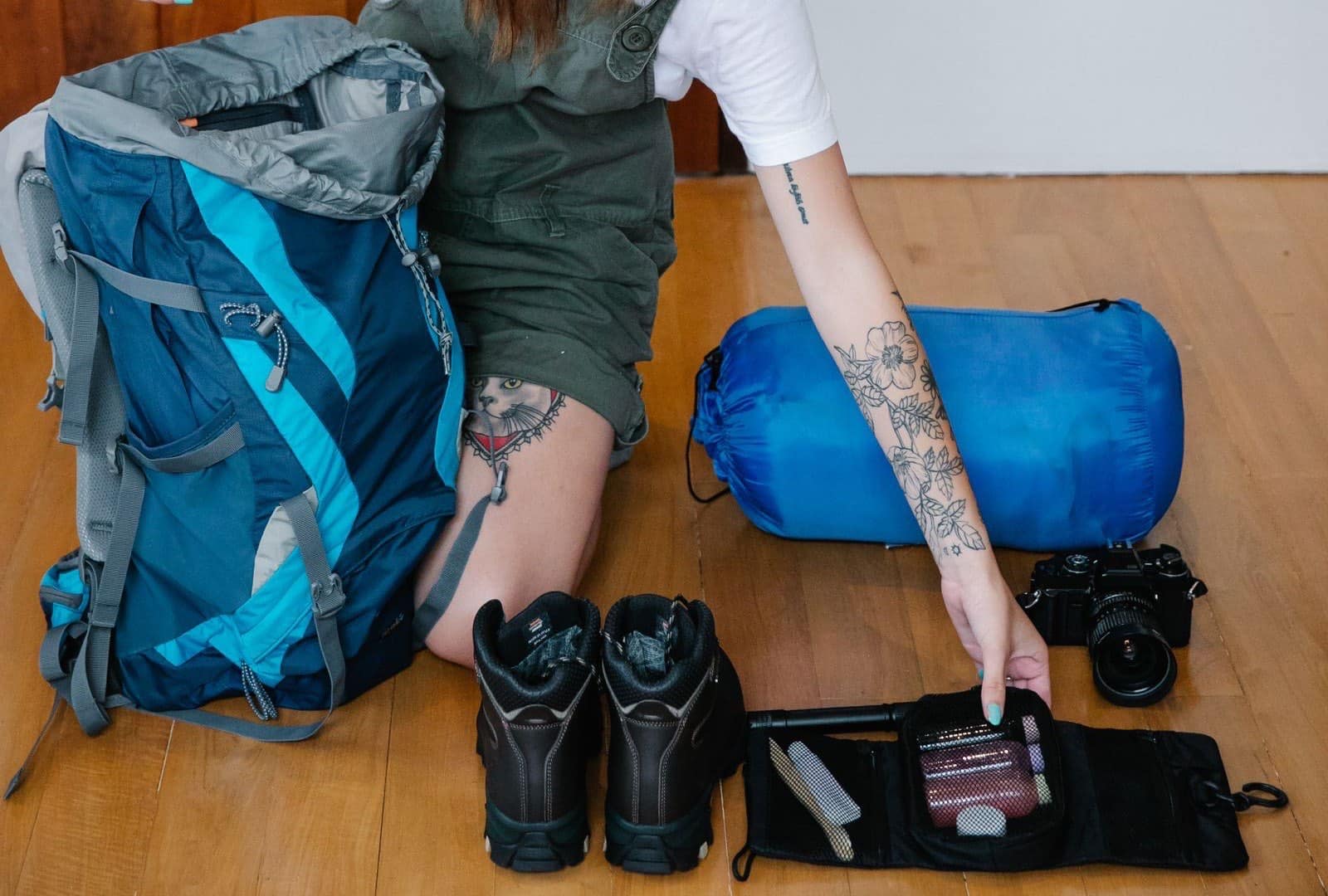
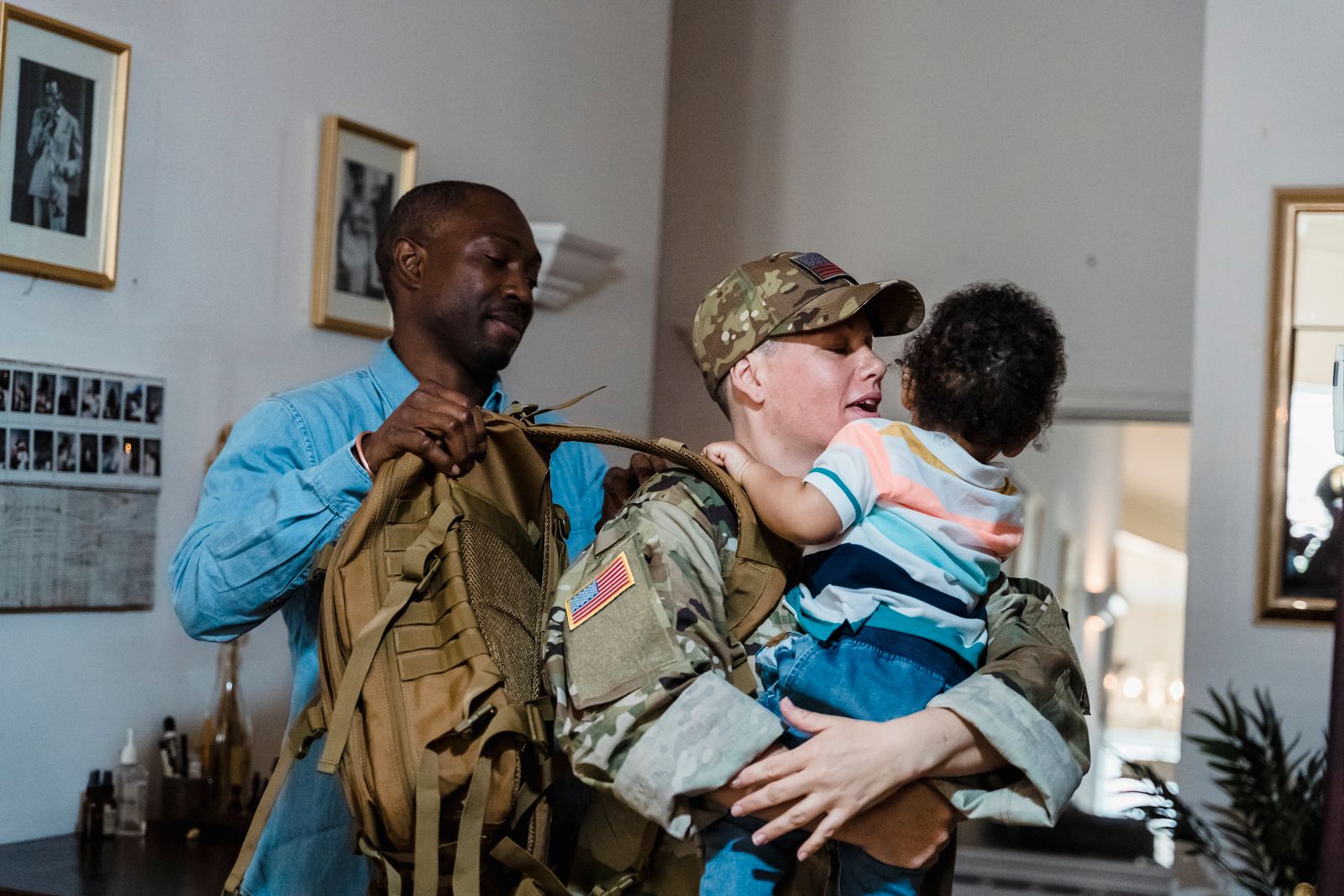
Service families have written these letters for as long as there have been deployments, and they know things the rest of us can borrow. Write early in the countdown, not the last night; the last night belongs to the people, not the paper. Write one letter per person, because a spouse and a six-year-old need different sentences. Keep a copy of the practical details with the family readiness paperwork, but keep the personal letters separate and sealed, so they are not stumbled over mid-tour while looking for an insurance form. And write the coming-home letter too, the one you get to hand over in person. It is the best of the set.
And for a six-year-old, it can be this light:
While I am gone, you are in charge of two things: the dog's morning patrol and Mom's Saturday pancakes. Both get inspected when I walk back in that door. Hold the fort, Corporal. I love you.
The sealed letter is only one of the set a deployment deserves. The countdown letters for each child, the ones timed to the dates you will miss, and the homecoming letter are covered in letters to leave before deployment.
The Privacy Problem: Found Too Early, or Never Found
Every just in case letter faces the same paradox. Hide it well, and it may never be found; a letter in a fireproof box nobody knows about is a message to the void. Leave it findable, and it may be found this Saturday by exactly the person it would frighten, while they are looking for the scissors. Paper cannot be both sealed and certain.
This is the specific problem Goodbye App was built to solve. You write the letter, or record it in your own voice, choose who receives it, and set the condition: a date you choose, or after you are gone. Until that moment it is completely private, impossible to stumble across in a drawer, and impossible to lose in a move. If the moment never comes, nobody ever reads a word. It costs nothing, and the writing works the same whether your risky season is a ridge in the Alps or a Tuesday in an operating room.
When the Season Passes: Updating or Retiring Your Letter
The best day in this letter's life is the day it becomes unnecessary. When the surgery goes well or the deployment ends, do one of two things, deliberately. Retire it: delete it or unschedule it, and enjoy the specific pleasure of destroying a document you are thrilled nobody needed. Or promote it: strip the crisis context and let it become a permanent letter, one that grows with you and releases only after you are gone, because the true things in it did not stop being true when the anesthesia wore off.
Either way, you will have learned the climber's secret: the letter was never about the mountain. Pack the words, and climb lighter.
Every person has a legacy®
Begin