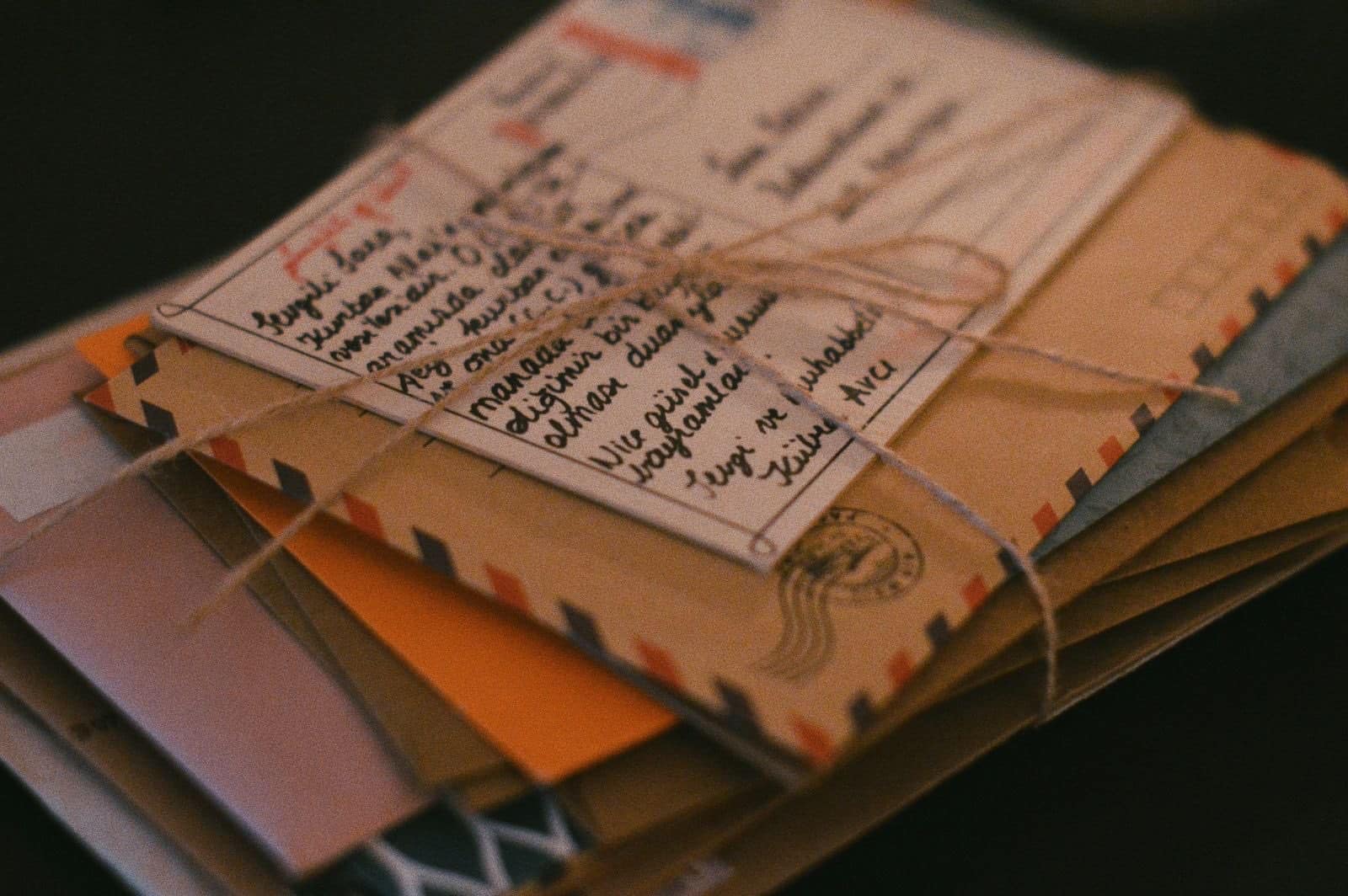
Somewhere right now there is a beautiful last letter nobody will ever read. It is in a coat pocket, or a locked drawer, or a box marked MISC in a garage two house moves ago. The person who wrote it did the brave part. The envelope did the rest.
It happens because writing a letter and delivering a letter are two entirely different problems. Most guides help you with the first and wave vaguely at the second, as if the letter will simply know where to go, like a salmon. This guide is about the second problem: the five real ways to leave letters for the people you love, what actually goes wrong with each, and how to choose. If you have not written yours yet, start with our guide to writing a goodbye letter and come back. This is the half that decides whether anyone ever reads it.
Why So Many Last Letters Are Never Read
A letter left behind has to survive three tests, in order. It has to be found: not in the coat pocket, not behind the tax returns from 2009, not in a safe whose combination left with you. It has to be found at the right time: not two years late, and not two years early by a teenager looking for the passports. And it has to reach the right person: the letter meant for your son, to your son, and not read aloud once at the kitchen table and then absorbed into a sibling's filing system forever.
Paper fails these tests quietly. Houses get sold, drawers get emptied into boxes, boxes get labeled MISC. Nobody decides to lose the letter. It just was not anyone's job to deliver it.
The Five Ways to Leave Letters Behind
Every method people actually use comes down to one of five:
- A trusted person holds the letters and hands them out.
- A safe, deposit box, or drawer holds them until someone looks inside.
- An attorney or executor keeps them with your papers.
- Your will carries them, or mentions where they are.
- Scheduled digital delivery sends them automatically at a date you chose.
None of these is wrong. They fail differently, and the right answer depends on which failure you can least afford.
For the full comparison, including the platform tools and the dedicated services, with the failure mode of each one set out side by side, see how to send a message after you die.
Handing Letters to Someone You Trust
The classic method, and the most human one: give the envelopes to a sibling, a best friend, a spouse, with instructions. It costs nothing and there is real comfort in knowing a person, not a process, will put the letter in your daughter's hands.
Its weaknesses are human too. Your trusted person can move, fall out with the family, forget which box the envelopes are in, or, bluntly, die before the delivery date. A letter meant for a grandchild's wedding thirty years from now is a long assignment to give anyone. And sealed envelopes have a way of testing curiosity; you are trusting discretion as much as memory. If you use this method, choose someone younger than you, tell a second person they exist, and accept that "open on her wedding day" may quietly become "found during a garage clear-out."
Safes, Deposit Boxes, and Attorney Files
Locking letters away solves the too-early problem completely and creates a new one: locks work. A home safe is only as findable as the note explaining it exists, and its combination has to live somewhere your family will look. A bank deposit box is worse on timing than most people expect. In many places, boxes are sealed on the holder's death until an executor is appointed, which means your warmest words can sit in legal limbo for months, arriving long after the days they were written for.
Leaving letters with an attorney is the most reliable paper method: law offices are good at keeping documents and better at being findable. The trade-offs are cost, formality, and timing. Your letters are handled with the estate, on the estate's schedule, and an attorney delivers once. Nobody's law firm is going to post a letter to your son every birthday for a decade.
Leaving Letters With Your Will: What Actually Happens
Tucking letters into the will feels natural, since the will is the one document everyone will definitely look for. Two things to know. First, a will becomes part of a legal process, and in many jurisdictions a probated will is a public record; anything inside it can end up readable by people it was never written for. Second, wills are opened on the law's timetable. The words you wrote for the first hard night may be read in a conference room weeks later, between signatures.
The better pattern, if you like paper: keep letters separate, and let the will say where they are. The will becomes the map, not the envelope.
Scheduled Digital Delivery: An Exact Moment, Private Until Then
The newest method fixes the two oldest problems: finding and timing. You write the letter, name the recipients, and choose the moment it releases: a specific date up to 30 years ahead, or after you are gone. Until that moment it is private. Not tucked-in-a-drawer private, actually private: nobody can open it early, and it cannot be lost in a move because there is nothing to move. When the moment comes, your recipients are notified by email, wherever in the world they have ended up living.
This is what Goodbye App was built to do, and it is free. It also carries what paper cannot: you can attach photos and record your letter in your own voice, so what arrives is not just what you said but how you sounded. You can keep editing anything unreleased as life changes, which solves the coat-pocket problem: a letter that grows with you for years, instead of one sealed once and forgotten.
The honest limits: it needs your recipients to have email, and it is the wrong container for legal instructions, which belong in a will (our digital legacy guide covers where everything else should live).
Who to Write to First
People stall by trying to write to everyone at once. Order helps:
- The person who will have the hardest day. Usually a partner. This letter is for the first week.
- Each child, separately. A letter addressed to one child says things a group letter cannot. If they are young, consider milestone letters that arrive as they grow.
- The friend who was family. Friends are forgotten in estates. A letter tells them they were not extra.
- The person you owe words to. An apology, a thank you, an explanation. Hardest to write, most important to deliver.
First lines, to borrow. To a partner:
If you are reading this, make the tea first. Then read slowly. We are in no hurry, you and I. We never were.
To the friend who was family:
You were never just a friend. You were the brother the paperwork forgot, and this letter is me correcting the record.
To the person you owe words:
I have started this apology eleven times over twenty years. Paper is patient. So, always, were you.
Matching Each Letter to the Right Method
You do not have to pick one method for everything. A practical split that works for most families: instructions and documents with the attorney or in the file your family knows about, one paper letter somewhere findable for the comfort of holding a page, and the personal letters, the dated ones, the voice recordings, scheduled digitally so timing and privacy are guaranteed. Redundancy is not overthinking it. Redundancy is the plan.
Adding Your Voice: Audio Letters
Ask anyone who has lost someone what they wish they had kept, and an unsettling number say the voicemail. Handwriting is precious, but a voice is presence. Recording yourself reading your letter, or just talking, takes ten minutes and becomes the thing they play on the days paper is not enough. On Goodbye App you can record audio directly inside a letter, so the words and the voice arrive together.
A Simple Checklist to Set It All Up This Week
- Monday: list the people who should hear from you, in order of hardest day first.
- Tuesday: write the first letter. Three honest sentences beat a perfect page you never start.
- Wednesday: record it in your own voice. Once through, no rehearsing. It should sound like you, not radio.
- Thursday: choose recipients and set the release: a date, or after you are gone. Sealed until then.
- Friday: tell one person the letters exist. Not where, not what. Just that they exist.
Eleven years is a long time for a coat pocket to keep a secret. Your words deserve a delivery plan, not a hiding place. Start your first letter free, and choose the exact moment it arrives.
Every person has a legacy®
Begin