Here is the strangest scheduling decision humans ever made: we gather everyone a person loves into one room, tell the best stories, say the deepest things, and we set the date for just after they can no longer hear any of it. The eulogies are glowing. The subject is unavailable. As planning goes, it is like throwing a surprise party and forgetting to invite the birthday person.
A living funeral fixes the calendar. It is the same gathering, the stories, the thank-yous, the people who matter in one room, held while the guest of honor can hear every word, answer back, and request a better song. This guide covers what a living funeral is, why more people are choosing one, how to plan it in eight steps, and what to say at one, whether you are a guest or the person the room is toasting.
What Is a Living Funeral?
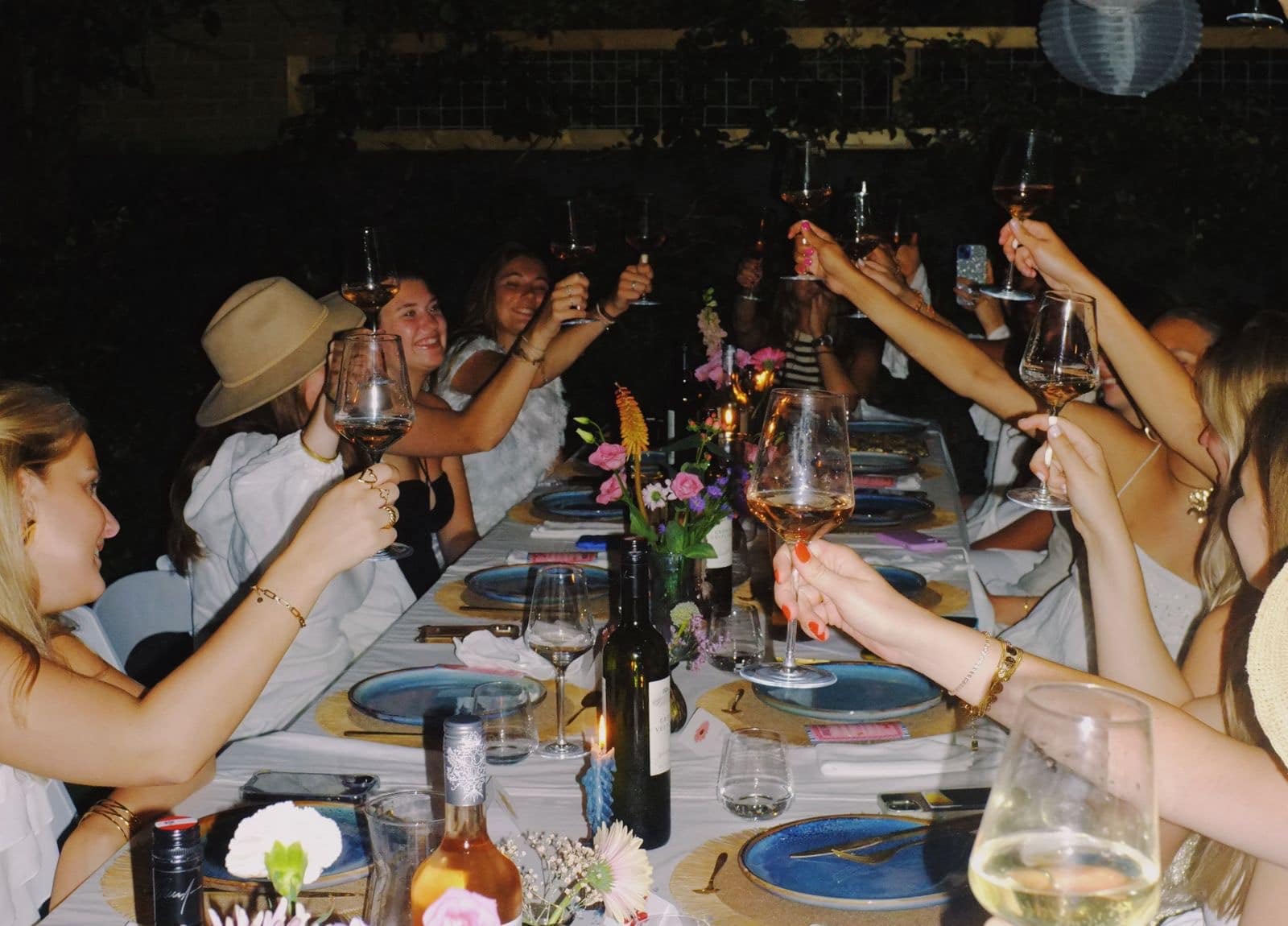
A living funeral is a celebration of a person's life held in their presence, usually when time feels finite: a serious diagnosis, great age, or simply the decision not to leave the good words to the last event. There is no single format. Some look like memorial services with the guest of honor in the front row; most look like the world's warmest dinner party, with toasts instead of readings and laughter arriving earlier than it would dare to at the traditional kind.
The core of it is a simple swap: instead of "they would have loved this," the room gets "watch them love this." Everything else is furniture.
Why More People Are Choosing One Now
The idea is having a moment. UK celebrant directories report tens of thousands of monthly searches for living funerals, and funeral-trend lists now feature them alongside celebrations of life. Some credit hospice culture teaching families to talk about dying earlier; some credit a generation that personalizes everything declining to make an exception for the farewell. And some credit the oldest reason there is: everyone who has stood at a graveside has had the same thought. I wish they could have heard this. A living funeral is that thought, acted on in time.
Living Funeral, Living Wake, or Celebration of Life? (And Japan's Seizenso)
The terms wander. A living wake usually means the more informal, party-shaped version. A celebration of life traditionally happens after a death, though "celebration of life before death" is increasingly used for exactly this. A living funeral can be either, with slightly more ceremony implied. Japan named the tradition decades ago: seizenso, a funeral held while living, popularized in the 1990s and famously embraced by public figures who wanted to thank their communities personally rather than posthumously. Whatever the label, the mechanics are the same: gather, speak, listen, together, on purpose, in time.
Who Living Funerals Are For
Most are held for someone facing a terminal diagnosis who wants a farewell they can attend on a good day, while energy allows. Many are held for elders marking a great age: a ninetieth birthday that quietly doubles as the gathering everyone knows it is. And a growing few are held by the perfectly healthy, who reason that the people they love assemble roughly never, and that "someday" is not a date. There is no admission requirement beyond honesty about why you are gathering: to say the things now.
How to Plan a Living Funeral in 8 Steps
- 1. Ask the guest of honor what they want. The whole point is that they can answer. Scale, tone, guest list, music: their call, down to the snacks.
- 2. Pick a good-energy window. If health is the clock, plan around treatment cycles and time of day, and keep it shorter than you think: two hours of gold beats five of endurance.
- 3. Choose a place that feels like them. Living room, garden, favorite pub back room. Ceremony is optional; comfort is not.
- 4. Invite with honest words. Say what it is. "We are gathering to celebrate Dad while he can enjoy it" spares guests the awkwardness of guessing the tone.
- 5. Appoint a gentle host. Someone to open, keep toasts moving, and land the plane when the guest of honor tires. A celebrant works; a warm friend works better.
- 6. Plan the speaking. A few invited toasts plus an open floor. Tell speakers the rule: stories over resumes, and it is fine to be funny.
- 7. Capture it. A guest book, a memory jar, someone on photos. This gathering becomes the family archive.
- 8. Let the guest of honor speak last. Prepared, not improvised. More on that below, because it is the part people remember longest.
Ideas and Formats That Work
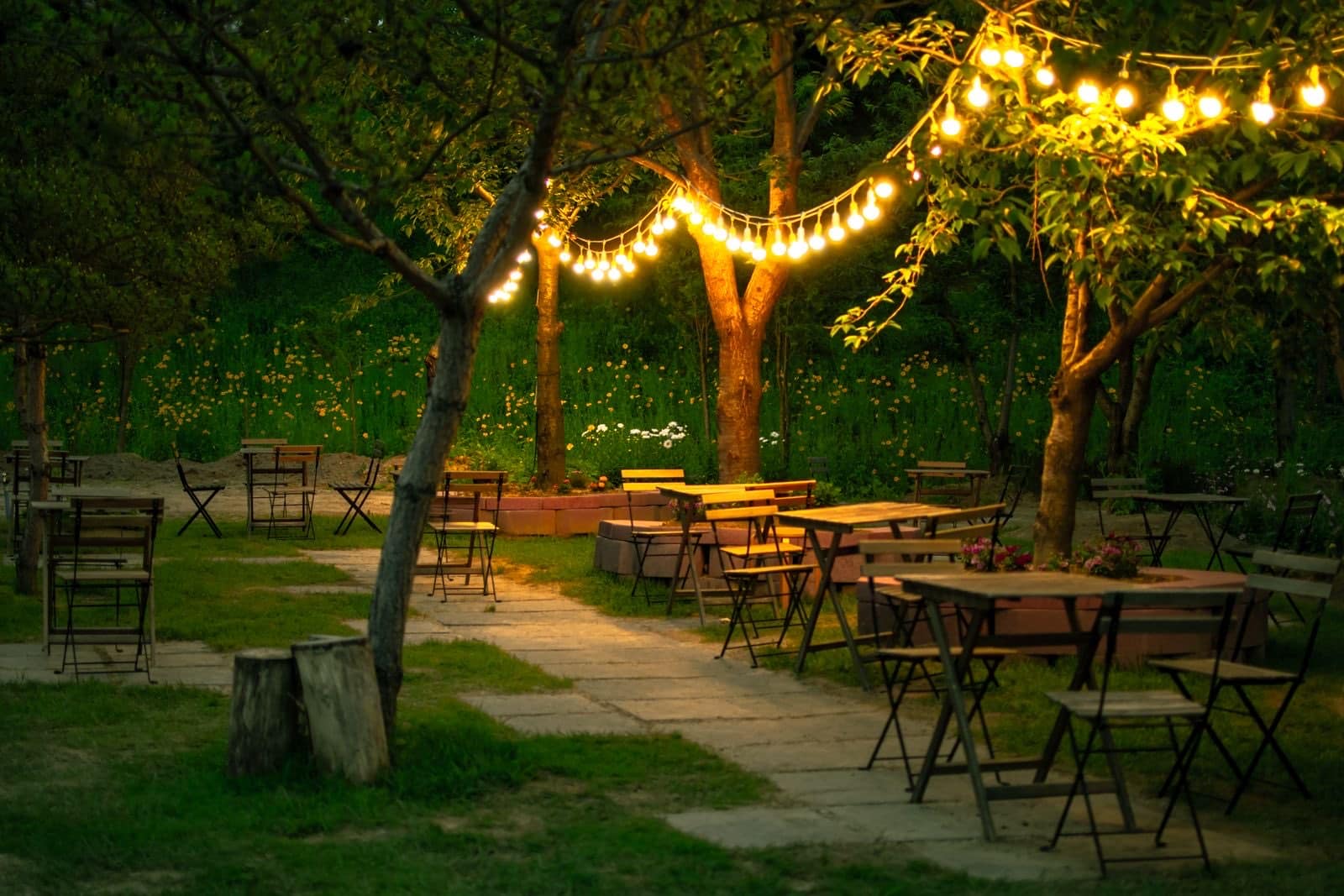
- The story circle: everyone brings one story; go around the room. No story twice, which the guest of honor gets to referee.
- The open house: a come-when-you-can afternoon for limited energy: short visits, one couch, no receiving line.
- The long table: one dinner, assigned toasts between courses, the guest of honor seated mid-table, not at the end, so they are inside the conversation.
- The soundtrack night: the guest of honor DJs the songs of their life and tells the story behind each. Doubles as the answer to "what music would they have wanted."
- The thank-you ceremony: seizenso style: the guest of honor addresses the room person by person. Bring tissues, schedule nothing after.
What to Say at a Living Funeral
If you are a guest: say the thing you would have saved for the eulogy. That is the assignment, and everyone in the room knows it, so skip the small talk about traffic. A simple structure: one story ("the day you drove four hours to fix my sink"), one thank you, one plain sentence of what they are to you. Present tense, always: you are a generous man, not you were. And laughter is not disrespectful here; it is the sound of the plan working.
Ray, you taught me to fish, to parallel park, and to never trust a man with two first names. Everything good in my life has your fingerprints on it, including my marriage: you introduced us, and you have taken credit at every dinner since. Tonight, publicly, at last: fair enough.
If you are the guest of honor: you have two jobs. Receive without deflecting: when someone says what you meant to them, the whole answer is "thank you, that reached me." And release the room: people need to hear, from you, that this gathering was your idea of a good time, that grief is allowed later but gratitude is running the evening.
You came, you said things I will keep forever, and I got to hear them with my own ears. That was the whole plan. Whatever comes next, we did not leave the best words for last.
Preparing Your Own Speech, and Keeping It in Your Voice
The guest of honor's speech is the heart of the event, and it is worth preparing properly rather than trusting the moment: emotion is a poor teleprompter. Write it the way our eulogy guide teaches, but in first person: the stories only you can tell, the thank-yous by name, the one thing you want the room to carry out the door.
Then record it. On Goodbye App you can write your speech with guided topic prompts and record it in your own voice, free. The recording earns its keep three times: it is your rehearsal, so the live version lands the way you meant it; it is your understudy, ready if the day arrives with less voice than you hoped; and afterward it becomes a keepsake, schedulable to arrive in inboxes years from now, long after the fairy lights come down.
After the Gathering: Letters That Arrive Later
A living funeral has one quiet limitation: it is a single evening, and love keeps having anniversaries. The gathering pairs beautifully with scheduled letters: a thank-you to everyone who spoke, sent the week after; a note for a grandchild's graduation years out; words for the first birthday you might miss. On Goodbye App each letter or recording is private until its date, then delivered by email, up to 30 years ahead. The party says the things in person. The letters keep saying them. Our guide to leaving letters for loved ones covers how to set up the full calendar.
Gentle Etiquette Questions, Answered
Is it morbid? Guests worry about this until roughly eight minutes in. It is the opposite of morbid: it is every good thing about a funeral with the sad part still in the future.
Do we still have a regular funeral later? Usually yes, and it is often gentler, because the unsaid things got said. One does not replace the other; they share the load.
What do I bring? A story. Failing that, whatever you would bring to the person's favorite kind of party. Flowers are allowed to be cheerful.
What if I cry? You will, someone will, and then someone will tell the story about the airport, and you will laugh while crying, which is the exact emotional register the whole event was designed for. Come anyway. Nobody ever regretted attending one. The regret this entire tradition exists to prevent is the other kind.
Every person has a legacy®
Begin